This is a heading
This is a subheading 123
this is some text which will go here
This news article is more than 12 months old and some of the information may be out of date - please see our latest news articles here.
At the NRLA we receive a lot of calls to our helpline from members who experience issues at the end of the tenancy about things that had come to their attention earlier, but were either not dealt with at the time, or had not been effectively resolved.
Dealing with complaints early is vital to ensure a great relationship with your tenants – and to avoid problems down the line. Here experts from NRLA partners share their top tips to ensuring your tenancy runs smoothly.
Suzy Hershman, Head of Dispute Resolution at mydeposits and Mike Morgan, Legal Division Manager, Property Redress Scheme tenancy mediation service explain more.
Putting things off is a coping mechanism many people use, often without even knowing they are doing it, when they have to deal with something that might cause stress in the short term. But as a landlord this can be an expensive strategy!
This can mean that issues that arise during a tenancy aren’t dealt with at the time or are dealt with in such a way that they cause unresolved problems later on. When the end of tenancy arrives the small problem that has been allowed to fester has escalated and is now a big problem. This can cause a disagreement between the landlord or agent and the tenant about who is responsible, when the tenant is either leaving or has left the property. In a worst-case scenario, if no agreement can be reached it can end up in mediation, arbitration or even court. And in most cases the situation could have been avoided completely if the landlord had been made aware of the problem and dealt with it swiftly.
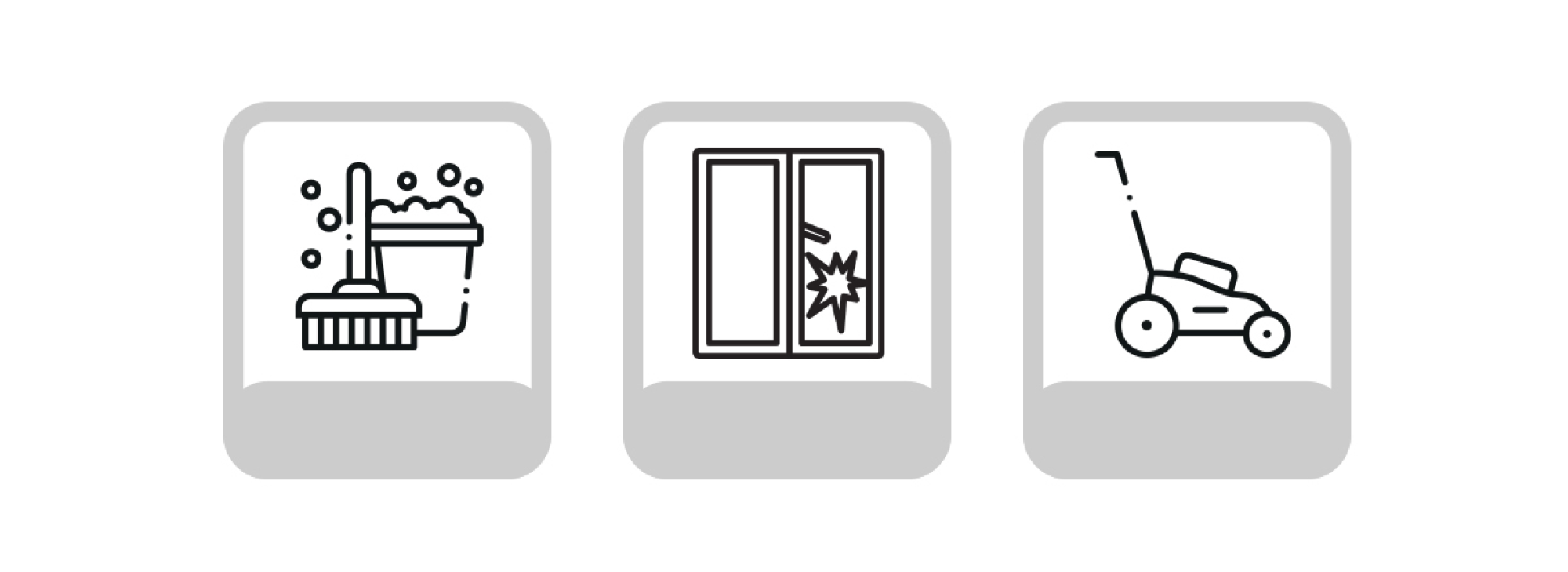
The most common dispute reasons are listed in order below, with most disputes (around three quarters) raised by tenants.
Cleaning costs: Leaving the property - or part of it - less clean than at the start of the tenancy is by far the most common reason for claims. Stains, especially, crop up time after time.
Damaged or missing items: Tenants should report any items listed on the inventory that are damaged or missing, tell the landlord about any damage that occurs during the tenancy (before any attempt to repair it themselves) and agree the next steps with the landlord.
Unauthorised changes to the property: Any changes made to the property without the landlord’s consent need to be rectified before the end of the tenancy, unless otherwise agreed with the landlord.
Gardening: The tenancy agreement should set out the tenant’s responsibilities for maintaining external areas such as gardens and patios etc. Ultimately, where the tenant has a responsibility to maintain the garden areas, they should be left in a similar condition to that recorded in the inventory – allowing for seasonal change or adverse weather conditions.
Rent arrears: In cases where the arrears are more than the deposit, the landlord may need a court order to recover additional costs. So, it is in the landlord’s best interest to make sure that arrears never get out of hand.
It is possible to reduce the likelihood of disputes by simply and clearly letting your tenant know what you expect of them during the tenancy, what is and what is not allowed in the property and how it should be left when the tenancy ends. This can be achieved through:
Good paperwork
Several material issues can crop up at the end of a tenancy and a landlord may look for financial compensation. As always, a landlord’s best friend in reclaiming costs is documented evidence, which should include:
It’s important to start things off on the right foot with a new tenant and to maintain this throughout the tenancy:
Periodic visits and communications

When tenants do report issues it’s essential that the landlord deals with the problem as soon as possible. Otherwise, you might find yourself out of pocket as the case study below shows.
mydeposits case study:
Damage claim for broken bed frame and blinds
Deposit: £1226
Disputed amount: £458
Award to landlord: £127
What happened?
The tenant said:
The agent responded:
What evidence was provided?
Bed frame
What was decided and why?
Blinds
What was decided and why?
What lessons were learned?

The case study above highlights that as the landlord you are responsible for most repairs in the rental property to make sure you are looking after tenant’s safety and wellbeing. As well as furniture and fittings, landlords are required to maintain the:
Note: The repairs must be completed within a reasonable period of time, which depends on how serious the problem is.
What about the responsibility for health and safety?
Unless the tenant’s fixed term tenancy began before 20 March 2019, the property is subject to being ‘fit to live in’, safe and free from any hazards such as:
Some problems can’t wait until the end of a tenancy for a deposit claim to be made (or its alternative) as Mike Morgan, Legal Division Manager at the Property Redress Scheme tenancy mediation service, explains.
“Mediation is an interactive, confidential way of sorting out disputes between landlords and tenants, with the help of a professional third person (an independent mediator) who won't take sides and tries to help both parties to work towards a negotiated settlement. It can be a quick way to solve a dispute.
Below is a case study showing how mediation has been able to help with problems during the course of a tenancy.
PRS tenancy mediation service case study: ‘The boiler won’t work’
What was agreed? A payment plan was agreed that both parties were happy with. The engineer (Dipa’s regular one) agreed to a reduction in the charge due to the limited work involved, which Dipa paid, and the tenant agreed to repay this over three monthly instalments.
What lessons were learned? The tenant learned that they should contact the landlord if there are any problems in the property they are unable to solve. Dipa learned that despite instructions being on hand, they should remind the tenant of the procedure to follow if a problem arose and that a welcome pack would be a good addition.

Many tenants don’t feel the need to bother landlords with minor issues in the property that they can put up with. Worse still in the current climate the tenant might also feel vulnerable about pressing landlords for necessary repairs for fear of being evicted if they do. That’s why it’s more important than ever for landlords to stress to tenants that they want and appreciate any issues being brought to their attention as soon as they are found.
To achieve this and avoid having to deal with escalated issues at the end of the tenancy, landlords should:
In addition, with any deposit taken we recommend: