This is a heading
This is a subheading 123
this is some text which will go here
This news article is more than 12 months old and some of the information may be out of date - please see our latest news articles here.
Fortunately, explosions are rare in residential properties - when they do occur it is generally due to gas leaks. Explosions and fires caused by gas leaks rose from 28 in 2017 to 41 in 2020, with 178 people injured in the last five years from flammable gas blasts, according to figures from the HSE.
Sometimes factors beyond our control can cause an explosion, affecting not only our homes, but also our tenants’ ability to live in them. An explosion, defined for insurance purposes as ‘a violent shattering or blowing apart of something due to a rapid increase in volume and the resulting forceful release of energy’, could be the result of a range of causes - from the controlled detonation of an unexploded bomb or a local factory fire, to faults with household appliances or a neighbour’s carelessness.
In this comprehensive guide, NRLA insurance partners, Total Landlord Insurance, explain everything landlords need to know about protecting their property from explosions - from making sure you are compliant with gas safety regulations and educating your tenants, to what to do in the event of an explosion and how to make sure you have comprehensive cover should the worst happen.
In May 2019, an unexploded world war two bomb was detonated in a controlled explosion in south west London. Despite the bomb disposal team taking precautions, the subsequent explosion and shockwave damaged a number of buildings and cars in the area, blowing out windows and causing cracks in walls. Total Landlord Insurance paid out a total of £195,986 for one insured property, to remedy cracks and cover replacement windows, doors and domestic utilities, as well as loss of rent, after the police ordered tenants to vacate on safety grounds. While this was an unusual case, it highlights that if the landlord had not had the correct coverage, they would have been seriously out of pocket.
Whatever the cause, the ramifications of explosions are devastating in terms of lives lost, injuries, and damage to properties that are directly affected. Explosions can also cause disruption to nearby homes, which may need to be evacuated.
An explosion can happen as a direct result of a gas leak combined with a spark or a flame, for example a poorly fitted light switch, a plug or a gas oven or hob.
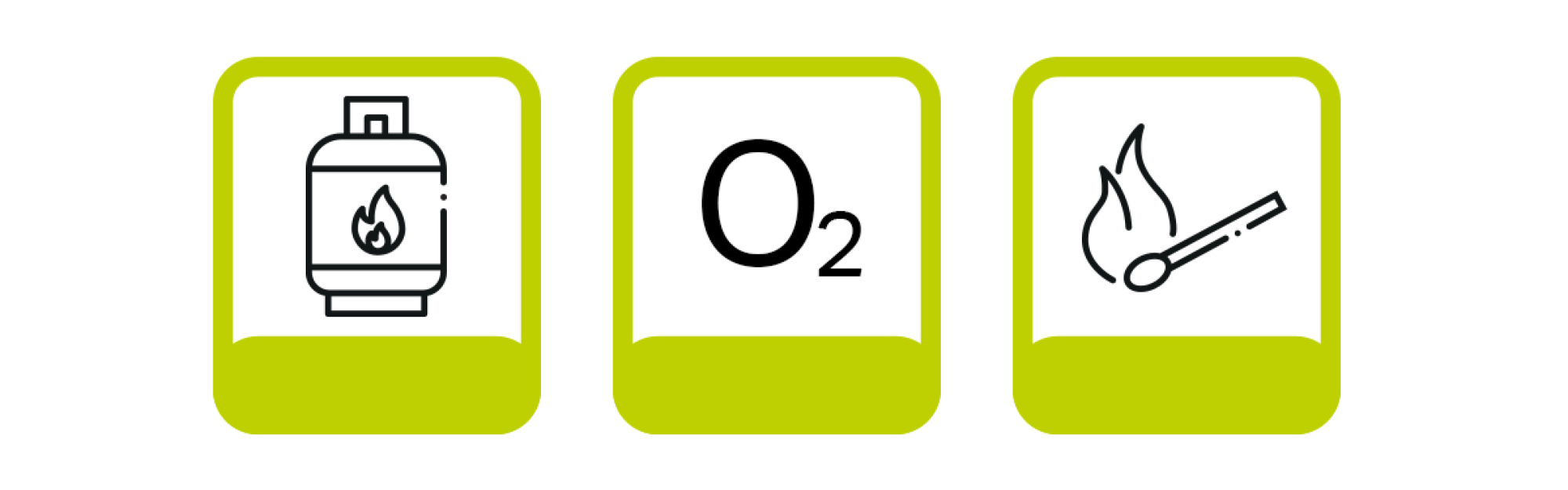
For an explosion to occur, three things need to come together:
When it comes to domestic gas explosions, a common fourth cause is human error. This could be inadequate maintenance, poor workmanship or a faulty appliance. For example, leaking gas from internal piping was responsible for a recent fatal explosion in Birmingham, and corroding service pipes have been established as the cause of other recent explosions that have reduced homes to rubble.
According to data from the Gas Safe Register around one in six gas appliances in the UK is classified as unsafe. Interestingly, some areas of the UK are at greater risk of a gas leak or faulty appliance and subsequent explosion, than others. Their data reveals that residents in Oxford are most likely to have an unsafe gas appliance in the home, with one in 43 people having a faulty device. This is closely followed by Reading, Dundee and Cardiff, suggesting that residents in these areas need to take action to make sure their boilers, cookers and gas fires are inspected as soon as possible. Conversely, Cambridge was found to be the safest city, with just one in 213 people having an unsafe appliance in their home.
Worryingly, the number of dangerous gas fittings identified by engineers increased from 2,299 in 2017 to 3,292 in 2020. The majority of these were in owner-occupied properties, rather than rented properties, possibly due to the tighter gas safety regulations that apply to rented properties.
Evidence shows that this situation is likely to be exacerbated by the cost of living crisis. Gas Safe Register recently found that almost one in three householders will skip booking an annual gas safety check to save money this year. A boiler service costs about £80 while a gas safety check for three appliances costs about £60.
As a landlord, gas safety regulations are some of the most important that you need to comply with. Cookers, fires and boilers left unchecked can cause leaks which lead to fires and explosions that cost lives. If you fail to meet the standards for gas safety in your property, you could be fined thousands of pounds. And if a tenant dies while staying in your property due to negligence, there’s even the possibility of being prosecuted for manslaughter, which can lead to a long sentence.
As a landlord, you are legally responsible for the safety of your tenants when it comes to gas safety. The Gas Safety (Installation and Use) Regulations 1998 apply to any landlords providing a property with a gas appliance or with gas lines connected. Landlords must make sure gas appliances and flues are safely installed and maintained by a Gas Safe registered engineer.
If you’re letting a property with gas appliances in it, you are responsible for:
Although landlords aren’t responsible for the safety of tenants’ gas appliances, if they connect to the property’s appliances, you are responsible for the condition of the connecting flues and pipework.
Landlords must also be aware that, in respect of Assured Shorthold Tenancies (ASTs), a Section 21 eviction cannot be used if a copy of a valid gas safety certificate has not been provided to the tenant before the tenant entered into occupation of the property.
Steve Barnes, Associate Director at Total Landlord Insurance advises:
“The best way to prevent yourself from facing the justifiably harsh penalties for non-compliance with gas safety, is to make sure you schedule a gas safety check at least once a year (more if you have appliances that need it) and to keep a record of your Gas Safety Certificates and checks. If you use an agent to manage your property, make sure that your contract states who is responsible for what and that your agent provides you and your tenants with new Gas Safety Certificates on at least an annual basis. If you have any questions about how gas safety might affect your insurance policy, feel free to contact our team. Our policy will cover most eventualities but does not include incidences of faulty workmanship or any pre-existing defects or damage or wear and tear.”
For more information on what to do if your tenants prevent you from carrying out a gas safety check, read Total Landlord Insurance’s guide, How to gain access for a landlord gas inspection.
Preventative measures such as good maintenance are always the best form of defence against a gas leak which could result in an explosion. By following the gas safety regulations covered above, issues such as faulty installation and infrequent checks to heating appliances can be avoided. However, adequate tenant education is also crucial, particularly as we enter winter after heating systems have remained dormant over the summer months.

Gas Safe Register has detailed information on who to call and what to do if your tenants smell gas or have been feeling unwell and experiencing headaches, nausea or dizziness and suspect it’s carbon monoxide poisoning.
It’s important that your tenants know what to do immediately if they smell gas, so talk through the following steps with them, as well as providing them with a written version.
If, despite complying with gas safety regulations and taking all the precautions we’ve outlined here, there is an explosion in your property, you should carry out the following steps:

Steve Barnes, emphasises the importance of protecting your property and your tenants from explosions:
“Explosions are rare in residential properties, but it’s important to check that you are covered as the damage an explosion can cause is likely to run into tens of thousands of pounds. When explosions do happen, it is generally due to gas leaks - every year in the UK hundreds of people are hospitalised and many people die due to gas explosions caused by a gas leak. Preventative measures are always best – good maintenance including a yearly boiler check, making sure your tenants have appropriate contact details to report a gas leak and advising tenants to minimise the use of flammable substances and how to use a gas oven correctly are key.”
As a landlord, it’s important to take preventative measures to reduce the risks of anything going wrong in your property which could cause damage, prevent your tenants from living there, or worse, put your tenants’ lives at risk. But it’s not possible to eliminate risk entirely, which is why it is vital to make sure you have comprehensive landlord insurance cover in place.
Total Landlord Insurance’s Essential and Premier policies both cover most eventualities, including loss of rent or alternative accommodation should a tenant be required to evacuate a property. Explosion insurance does not cover incidences of faulty workmanship or any pre-existing defects, damage or wear and tear. Terrorism isn’t automatically added to the explosion element of the policy, instead it needs to be added on to the policy for an additional premium.
NRLA landlord insurance partner, Total Landlord Insurance, has a dedicated in-house claims team of expert advisers who are on hand to help advise you on the best cover for you.
Check the A-Z landlord property claims e-book below