This is a heading
This is a subheading 123
this is some text which will go here
This news article is more than 12 months old and some of the information may be out of date - please see our latest news articles here.
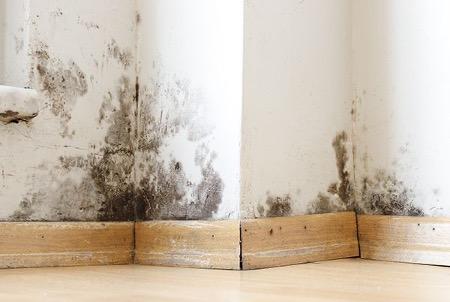
Having 'healthy' air in your house is crucial for your comfort and wellbeing. If your air's full of dust, allergens ot too much moisture, can could be coughing and spluttering for days. Or, just as bad, mould might spring up here and there and start to spread.
That's where air purifiers and dehumidifiers come in.
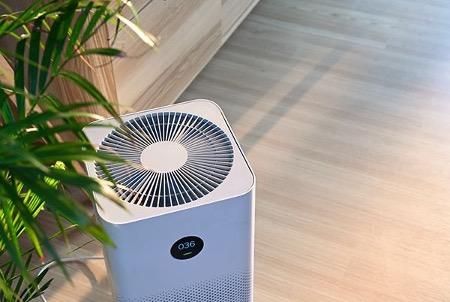
Air purifiers will filter out all kinds of things from the air to make it, ahem, purer. How though? Well, dust, smoke, allergens and pollutants get sucked in and obliterated. And it’s all done via a series of clever filters. For instance, HEPA filters are the bee’s knees at capturing tiny particles like pollen, pet dander, and even some bacteria and viruses. You’ll be breathing cleaner, literally.
On the other hand, activated carbon filters excel at vaporising all sorts of smells. So, if something’s stinking up the place, reach for the air purifier. And if you want to go really heavy-duty, some come packed with cool tech like UV light or ionisers. They might sound like something from a sci-fi flick, but they’ll kill microbes in their masses. If you keep getting sick, these pesky critters could be the cause!
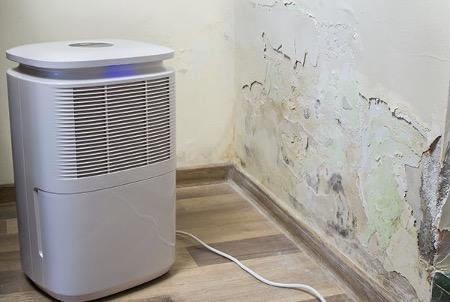
Like the name suggests, dehumidifiers are designed to reduce humidity in the air by extracting moisture from it. Air gets drawn into the dehumidifier, where any moisture is then condensed into water and collected in a tank. The dry air is then pumped back into the room, which in theory should make your space a whole lot cooler.
There are two main types of dehumidifiers. Refrigerant dehumidifiers use a special refrigeration process to condense moisture. While desiccant dehumidifiers have a drying agent that absorbs moisture instead. So, in a nutshell, you’ve got options.
Here's why you should get yourself an air purifier:
Dehumidifiers have plenty going for them too:
Air purifiers and dehumidifiers are built different…
What they do:
When to use which:

Is an air purifier the same as a dehumidifier?
While they usually pop up in the same sorts of conversations – and are both there to improve the air in your house - no, they’re not the same. Air purifiers are designed to filter out nasty pollutants, allergens and other particles from the air to make it cleaner. On the other hand, a dehumidifier tackles (and lowers) the moisture and humidity levels, preventing mould, mildew and dust mites.
Does a dehumidifier purify the air?
No, a dehumidifier doesn’t purify the air in the same way that a regular air purifier does. By extracting any excess moisture, it’ll stop mould etc, which absolutely thrives in humid conditions. This can indirectly boost the air quality, but it doesn’t filter out bad particles. So, for that stuff, you’ll need a purifier.
Do air purifiers dehumidify?
Nope. Air purifiers don’t dehumidify the air. Like we’ve mentioned already, they filter out any bad stuff from the air instead, giving you way better air quality.
Can I use an air purifier and a dehumidifier at the same time?
You sure can. And they’re a great team. In homes with poor air quality and high humidity, both can work well together to really improve your indoor environment. And like they say, two heads (or air-based devices) are always better than one.
How much does it cost to run an air purifier vs. a dehumidifier?
Air purifiers are generally less expensive to run, as they don’t use as much energy as dehumidifiers. But the cost of running both is going to completely depend on their wattage, and how long you’re using them for each day. On average, an air purifier might cost about £10-£20 per year to run. While your dehumidifier could rack up a bill of around £50-£100 over 12 months.
How long should I run my air purifier or dehumidifier each day?
You’ll get the best results when you run air purifiers continuously. But you can tweak your run time based on the size of your space and the current air quality.
On the other side of things, dehumidifiers should be used in damp spaces, running for about 8 to 12 hours per day. This’ll help to keep the humidity in the room at the best possible level.
What room is best to run an air purifier or a dehumidifier in?
Air purifier:
Dehumidifier: